Scholar · Practitioner · Educator

Dr. Iram Ansari

Corporate Governance Scholar · Internal Audit & Fraud ExaminationBridging academia and practice.

Advancing accountability, transparency and the right tone at the top — through research, education and engagement with the audit and governance profession.

IA

Portrait

About

A scholar-practitioner in governance and audit.

A scholar with a PhD in Business Studies and a deep focus on corporate governance, driven by a passion for enhancing accountability and transparency within organisations. Her research examines corporate governance, board dynamics, insider trading, and the unique challenges of family businesses across diverse economic contexts.

Committed to setting the right tone at the top — where leadership and governance intersect — her mission is to bridge the gap between academia and practice. A Certified Fraud Examiner (CFE) with a robust foundation in fraud prevention and detection, and a CPA Australia member, she is currently completing the Certified Internal Auditor (CIA) designation (Parts 1 & 2 passed; Part 3 in progress).

As an educator she specialises in financial accounting and auditing, corporate governance, and financial statement analysis, and is a vocal advocate for the critical role of internal audit in driving accountability and ethical practice.

Education & Certifications

  1. 2025
    CPA Australia
  2. 2024
    Certified Fraud Examiner (CFE)
  3. in progress
    Certified Internal Auditor (CIA)
    Parts 1 & 2 passed; Part 3 remaining
  4. 2014
    PhD, Cardiff Business School
  5. 2006
    MSc Accounting & Financial Management
    Lancaster University Management School
  6. 2004
    BSc Accounting
    Sultan Qaboos University

Subject-matter

Corporate GovernanceInternal AuditFraud ExaminationEthical Organisational CultureFinancial Statement AnalysisFamily-Business Governance

Methods & Tools

Empirical Research MethodsMachine-Learning Applications in Governance ResearchCurriculum & Accreditation DesignProfessional Training Delivery

Experience

Three streams, one bridge between academia and practice.

Stream I

Academic Leadership & Teaching

  • Head, Department of Accounting

    Oct 2024 – present
    College of Economics & Political Science, Sultan Qaboos University

    Strategic and academic leadership; curriculum development, programme review and quality assurance aligned to international accreditation; industry engagement to enhance graduate employability.

  • Endowed Professor, Chair of Corporate Governance

    Aug 2021 – Sep 2022
    Mannheim Business School, University of Mannheim, Germany

    Research and funding applications on AI-supported board decision-making and machine-learning applications in shareholder activism and news-media analysis; chaired and examined master's finance seminars.

  • Assistant Professor in Accounting

    Dec 2014 – present
    Sultan Qaboos University

    Teaching financial accounting, corporate governance, financial statement analysis, auditing and internal auditing; research on family firms, earnings management, related-party transactions and shareholder conflicts; thesis supervision.

  • Lecturer in Accounting

    Oct 2006 – Nov 2014
    Sultan Qaboos University
  • Teaching & Research Assistant in Accounting

    Sep 2004 – Oct 2006
    Sultan Qaboos University

Stream II

Professional Practice & Training

  • Director of Research and Training

    Jan 2025 – present
    ACFE Oman Chapter

    Leads research, CPE and professional training via seminars, webinars and industry events; Chief Editor of the Chapter's monthly newsletter; speaker and contributor at regional and global ACFE events.

  • Adjunct Trainer — Subject Matter Expert in Corporate Finance & Accounting

    Dec 2019 – present
    PwC's Academy Middle East

    Designs and delivers professional training in financial reporting, corporate governance, audit and assurance, forensic accounting, earnings management and ACCA-related courses across the Middle East.

  • Accountant / Audit Trainee (Internship)

    May 2003 – Jul 2003
    KPMG Oman

Stream III

Profession-Building & Outreach

  • Editorial leadership and professional speaking

    ongoing
    ACFE Oman Chapter and global ACFE community

    See Speaking and Engagement sections.

  • Selected National Evaluator — Internal Audit Best Practices Assessment Initiative

    Mar – May 2026
    The Institute of Internal Auditors (IIA) Oman Chapter, in collaboration with the Financial Services Authority (FSA), Sultanate of Oman

    Selected by the IIA Oman Chapter as one of only three expert evaluators for the Internal Audit Best Practices Assessment Initiative, conducted in partnership with the Financial Services Authority (FSA), Oman. Served as the only Omani evaluator, working alongside distinguished internal audit professionals from the United Arab Emirates and India to assess and benchmark the internal audit practices of Omani listed companies, financial institutions, and government entities against internationally recognized professional standards and best practices. The evaluation process was conducted between March and May 2026, culminating in the recognition of award recipients during Internal Audit Month (May 2026). The appointment reflects national recognition of professional expertise in internal auditing, governance, and assurance.

    • Selected as one of only three national evaluators
    • Only Omani member of the evaluation panel
    • Evaluated internal audit functions across public and private sector organizations
    • Collaborated with international internal audit experts from the UAE and India
    • Contributed to a national initiative led by the IIA Oman Chapter and the Financial Services Authority (FSA) to promote excellence in internal auditing

Research & Publications

Family-firm governance, board dynamics, and the GCC labour market.

Peer-reviewed research on family-firm governance, board independence, CEO succession, earnings management, and labour-market reform in the GCC — co-authored with leading scholars in corporate governance.

  1. 01
    Ansari, I. F., Goergen, M., & Mira, S. (2021)

    Earnings Management around Founder-CEO Reappointments and Successions in Family Firms

    European Financial Management · 1–34
    doi: 10.1111/eufm.12307
  2. 02
    Ansari, I. F., Goergen, M., & Mira, S. (2018)

    How Reported Board Independence Overstates Actual Board Independence in Family Firms: A Methodological Concern

    Annals of Corporate Governance · 3(2), 81–183
    doi: 10.1561/109.00000018
  3. 03
    Ansari, I. F., Goergen, M., & Mira, S. (2014)

    The Determinants of the CEO Successor Choice in Family Firms

    Journal of Corporate Finance · 28, 6–25
    doi: 10.1016/j.jcorpfin.2013.12.006
  4. 04
    Ansari, I. & McGlade, J. (2018)

    Omanisation, Youth Employment and SME Firms in Oman

    In Jones, D. & Sahraoui, S. (Eds.), The Future of GCC Labour Market Reform. Berlin & London: Gerlach Press · Book chapter · ISBN 978-3-959940-34-4

Projects & Impact

Measurable outcomes in accreditation, leadership and the profession.

Institutional Leadership · Headline Achievement

Led the department's expansion of ACCA exemptions from 6 to 9 — the maximum attainable — achieving full programme accreditation.

BSc Accounting programme, Sultan Qaboos University · achieved June 2026.

2025

ACFE Global Educator Partner

Established the Accounting Department as an ACFE Global Educator Partner.

Partnership

IIA Academic Alliance

Secured the IIA Academic Alliance partnership at Principal Partner level.

Leadership & Professional Development

Academic Leadership Suite — UNITAR

Executive Programme for Senior Academic Leaders, UN Institute for Training and Research (July 2025). Selected for the inaugural cohort of academic leaders, centred on cross-country thought exchange and the transformative role of AI in reshaping university academics.

Funded Research

Internal grants & research sabbatical

College internal research grants (~3,000 OMR, 2018; ~3,900 OMR, 2025). Research sabbatical at Mannheim Business School (2021–2022).

Signature Training Programmes

Audit & fraud curricula

Internal Audit Fundamentals for early-career professionals. Fraud Report Writing for banking professionals. Designed the Internal Auditing curriculum for the BSc Accounting programme.

Speaking

Invited Professional Conference Presentations.

Selected invited presentations delivered at international professional conferences on fraud, ethical intelligence, forensic accounting, and artificial intelligence.

2026 · Invited Speaker

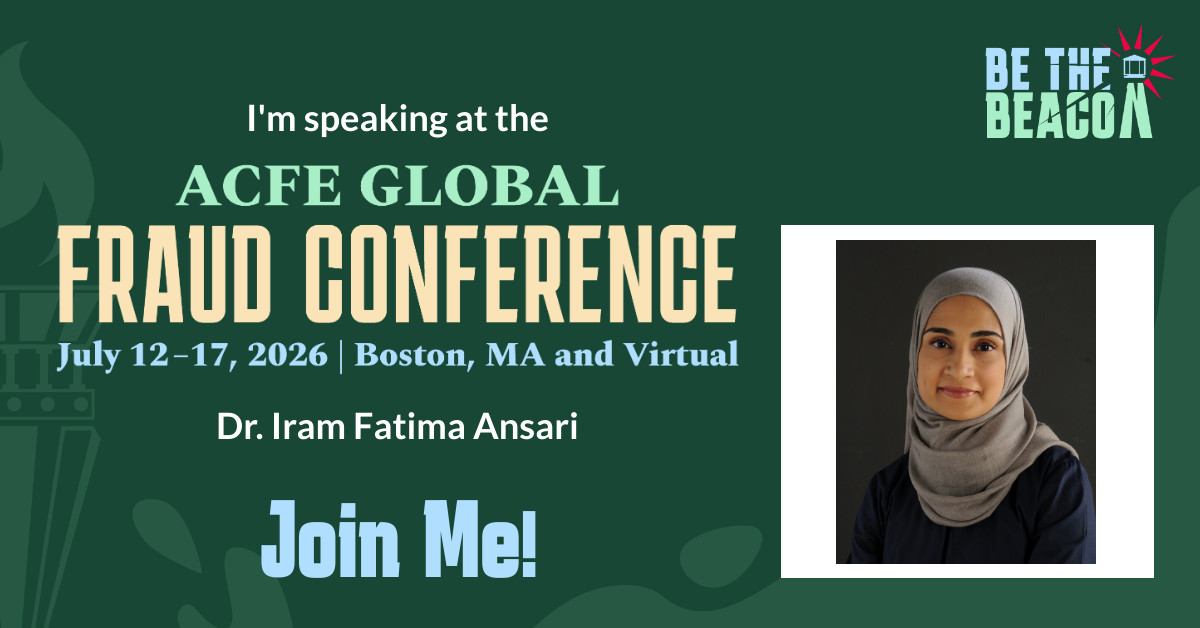
37th Annual ACFE Global Conference

PresentationWhen Code Meets Conduct: Fraud Risks in Digital Asset Ecosystems

Date
13 – 15 July 2026
Location
Boston, USA
Organizer
Association of Certified Fraud Examiners (ACFE)
Audience
Fraud examiners · Internal auditors · Forensic accountants · Governance officers · Accounting & audit educators
37th Annual ACFE Global Conference
Read more →
About the session

Digital asset fraud looks like a technology problem. It rarely is.

The costliest collapses happen when code, conduct and governance fail at the same time.

In this session, we move past the technical mechanics to the real enablers of fraud at scale: weak governance, a compromised ethical culture, management override, and a missing internal audit function. Using a major real-world case, we'll see how familiar fraud red flags resurfaced in new forms, how “legitimacy signals” masked misconduct, and why technology without accountability proved catastrophic.

You'll leave with a structured lens to spot behavioral red flags, assess digital-asset control gaps, and apply professional skepticism where innovation moves fast.

Technology evolves. The fundamentals of fraud still decide who gets caught — and who gets away.

Join me on 14th July to learn more.

Key learning objectives
  • Analyse key fraud risks and behavioral red flags specific to digital asset ecosystems using real-world case analysis.
  • Evaluate governance, ethical and internal control failures beyond technical vulnerabilities that enable digital asset fraud.
  • Apply accounting and internal audit principles to strengthen fraud risk assessments and investigations in emerging digital environments.
2026 · Invited Speaker

Great Audit Minds (GAM 2026)

PresentationEmbedding Ethical Intelligence in Risk Management Culture: From Compliance to Cultural Resilience

Date
9 – 11 March 2026
Location
Las Vegas, USA
Organizer
The Institute of Internal Auditors (IIA)
Audience
Board directors · Internal auditors · Forensic accountants · Governance officers · Accounting & audit educators
Great Audit Minds (GAM 2026)
Read more →
About the session

Every collapsed company had a code of ethics.

Most had Big Four audits, populated risk registers, and mandatory training too.

Compliance frameworks don't fail because the rules are missing. They fail because the culture quietly stops believing in them — and the controls become paper shields against cultural risk.

This session introduces Ethical Intelligence: a learnable capability that helps auditors and risk leaders read the warning signs before they become findings. We move past “tone at the top” to the mood in the middle, where ethics is actually lived, and show how ethical intelligence dismantles every leg of the fraud triangle: pressure, opportunity, and rationalisation.

From Wells Fargo to Luckin Coffee, the lesson is the same: the controls existed. The culture didn't.

Key learning objectives
  • Differentiate ethical intelligence from traditional compliance and explain its impact on risk culture.
  • Apply ethical decision-making frameworks to resolve complex dilemmas in governance, risk, and compliance contexts.
  • Apply practical strategies to embed ethical intelligence across organisational levels to reinforce ethical culture.
2025 · Invited Speaker

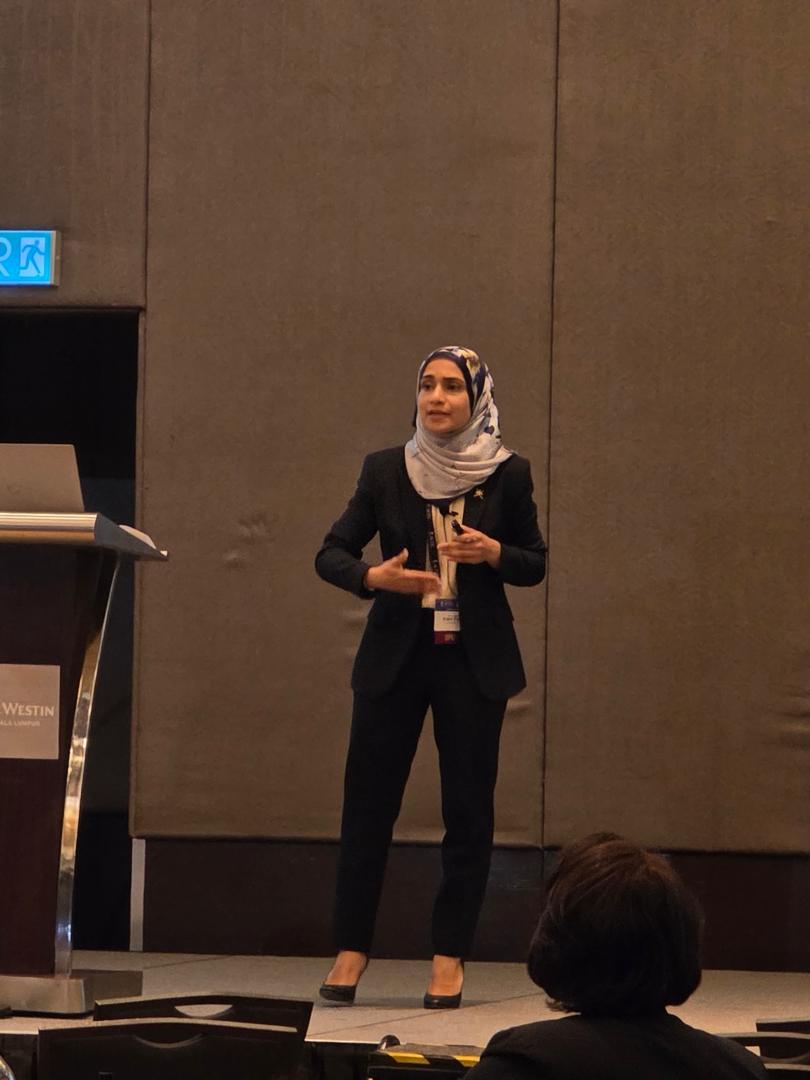
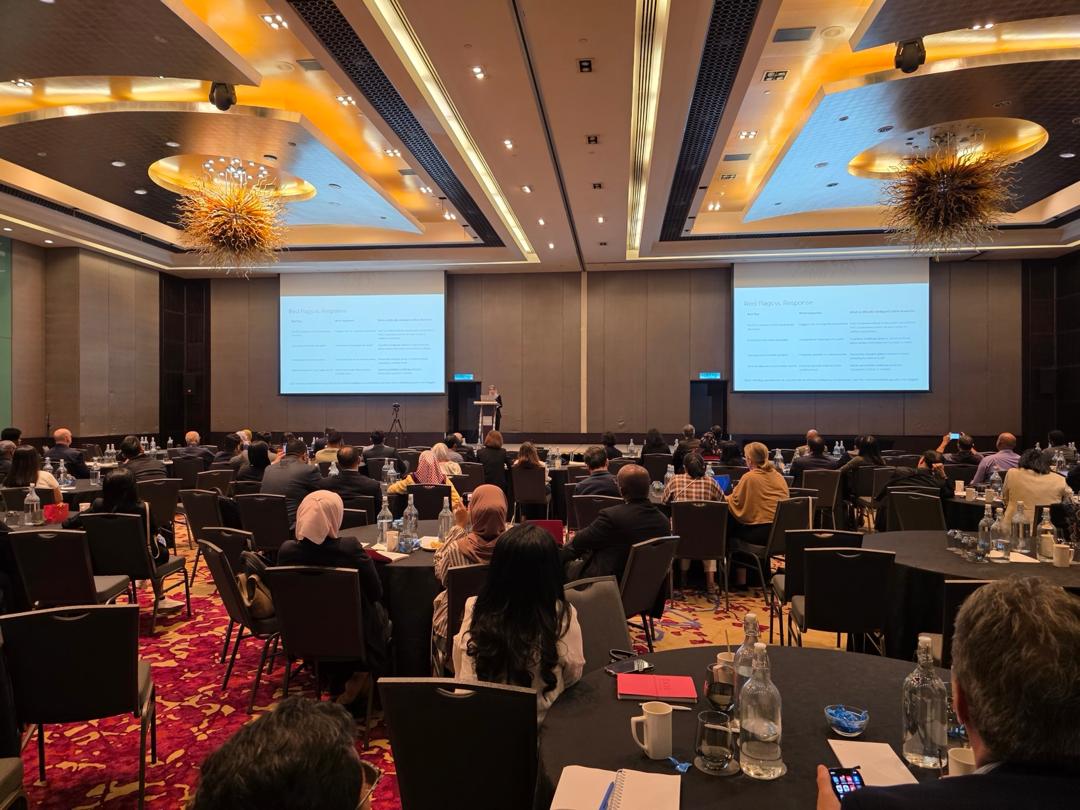
ACFE Fraud Conference Asia-Pacific

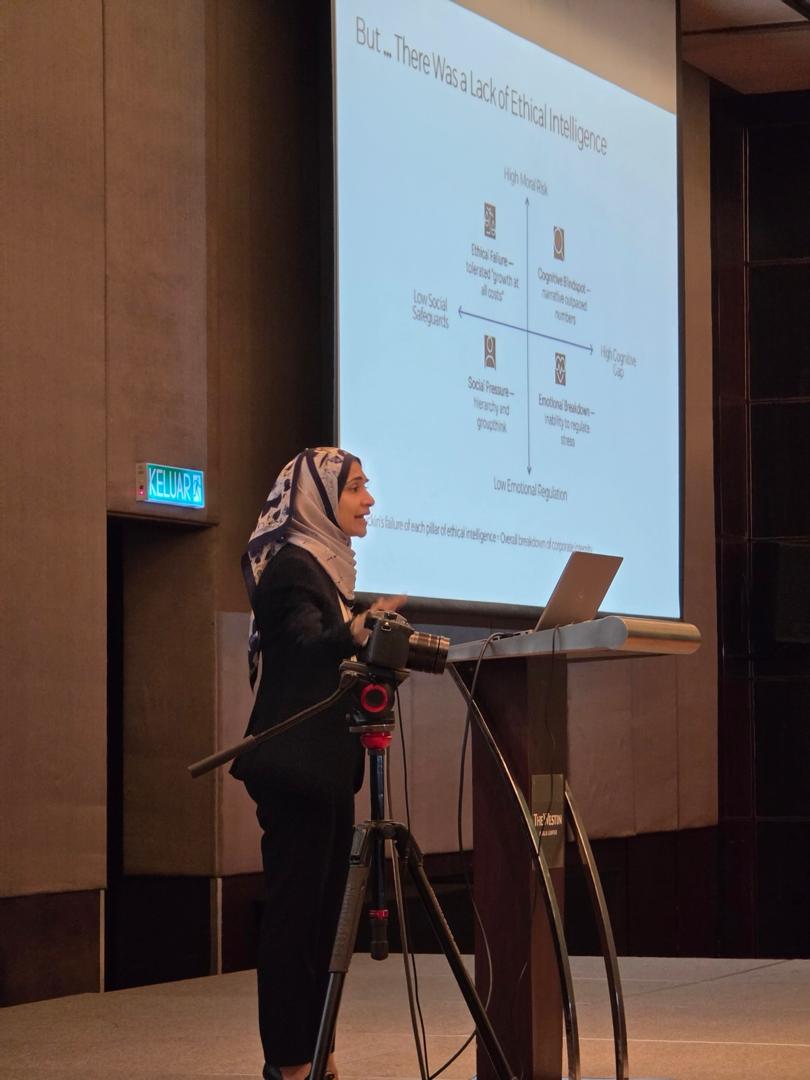
PresentationEmbedding Ethical Intelligence in Fraud Risk Culture

Date
21 – 22 August 2025
Location
Kuala Lumpur, Malaysia
Organizer
Association of Certified Fraud Examiners (ACFE)
Audience
Fraud examiners · Board directors · Internal auditors · Forensic accountants · Governance officers · Accounting & audit educators
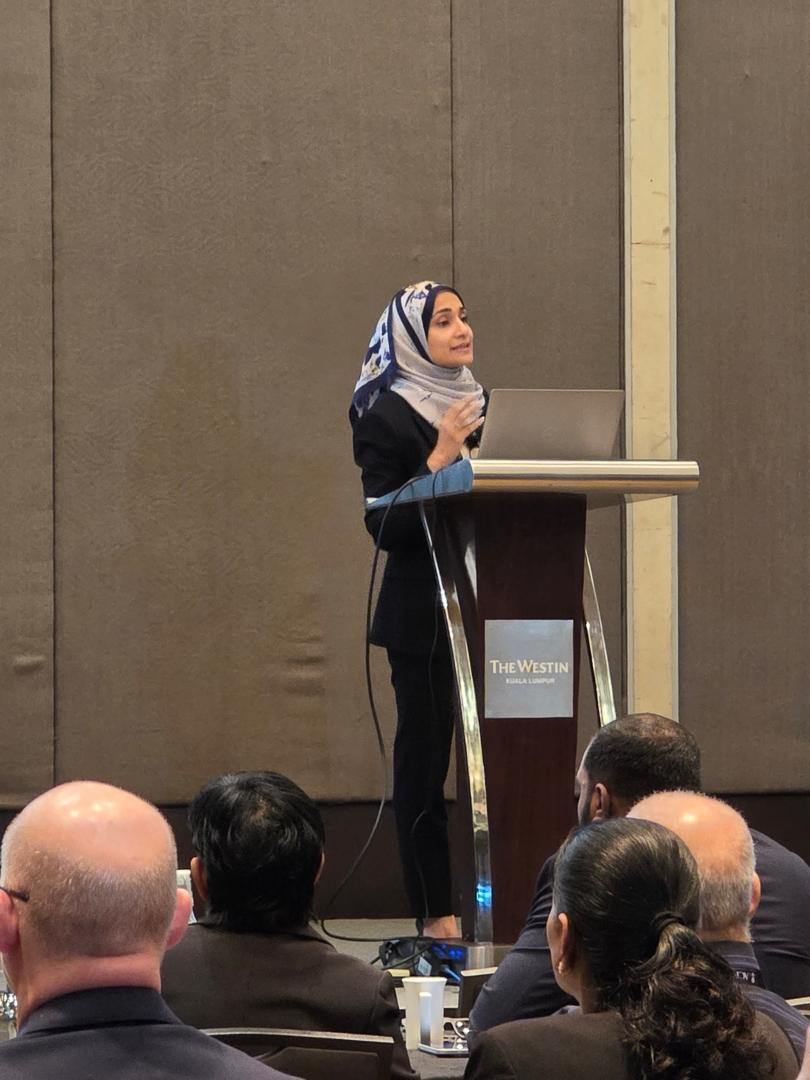
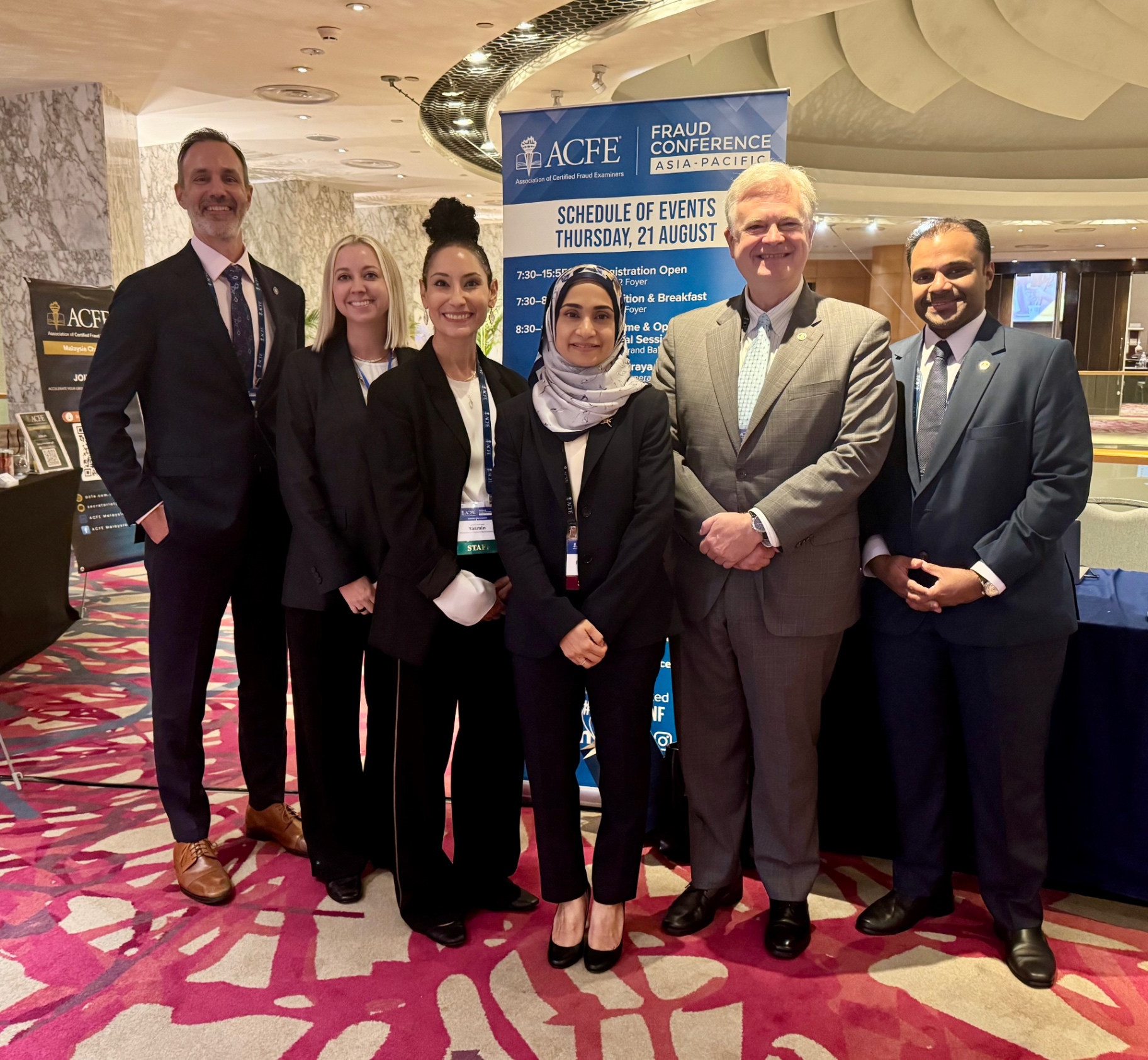
ACFE Fraud Conference Asia-PacificACFE Fraud Conference Asia-Pacific 2ACFE Fraud Conference Asia-Pacific 3ACFE Fraud Conference Asia-Pacific 4ACFE Fraud Conference Asia-Pacific 5
Read more →
About the session

This session offers crucial insights into navigating the complex landscape of ethical challenges and fraud in today's business environment. Despite the acknowledged link between high ethical standards and organisational performance, corporate irresponsibility persists, highlighting a critical need for enhanced “ethical intelligence”. We explore how organisations can move beyond mere compliance with codes of ethics to build robust ethical cultures driven by integrity and transparency. Participants will learn to identify various forms of misconduct, understand the motivations behind them, and employ strategies to prevent, detect, and respond effectively to ethical breaches and fraud. Emphasis will be placed on the pivotal role of leadership in setting an ethical tone, fostering an environment of trust, and empowering employees to uphold personal and professional values, ultimately contributing to sustained organisational success and a competitive advantage.

Key learning objectives
  • Identify the components of “ethical intelligence,” including cognitive, moral, social and emotional aspects, and how they apply to decision-making.
  • Recognise warning signs of an unethical culture and address misconduct and fraud through appropriate response protocols.
  • Recall methods for shaping and maintaining an ethical organisational culture, including establishing shared core values, promoting transparency and building trust.
  • Develop strategies for communicating and reinforcing ethical expectations throughout the organisation, from senior leadership to entry-level employees.
2025 · Invited Speaker

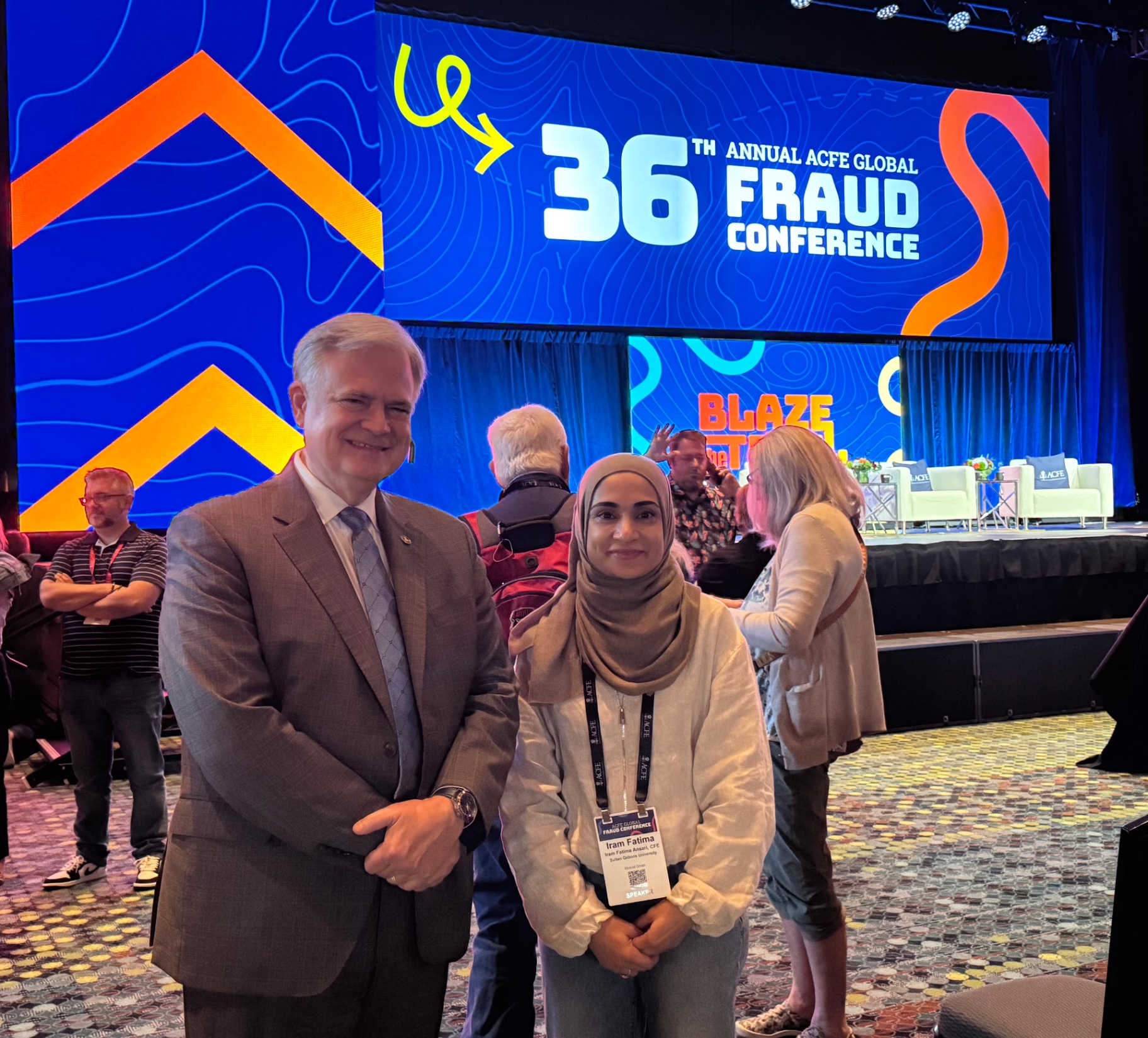
36th Annual ACFE Global Conference

PresentationBuilding an Anti-Fraud Culture

Date
24 – 26 June 2025
Location
Nashville, USA
Organizer
Association of Certified Fraud Examiners (ACFE)
Audience
Fraud examiners · Board directors · Internal auditors · Forensic accountants · Governance officers · Accounting & audit educators
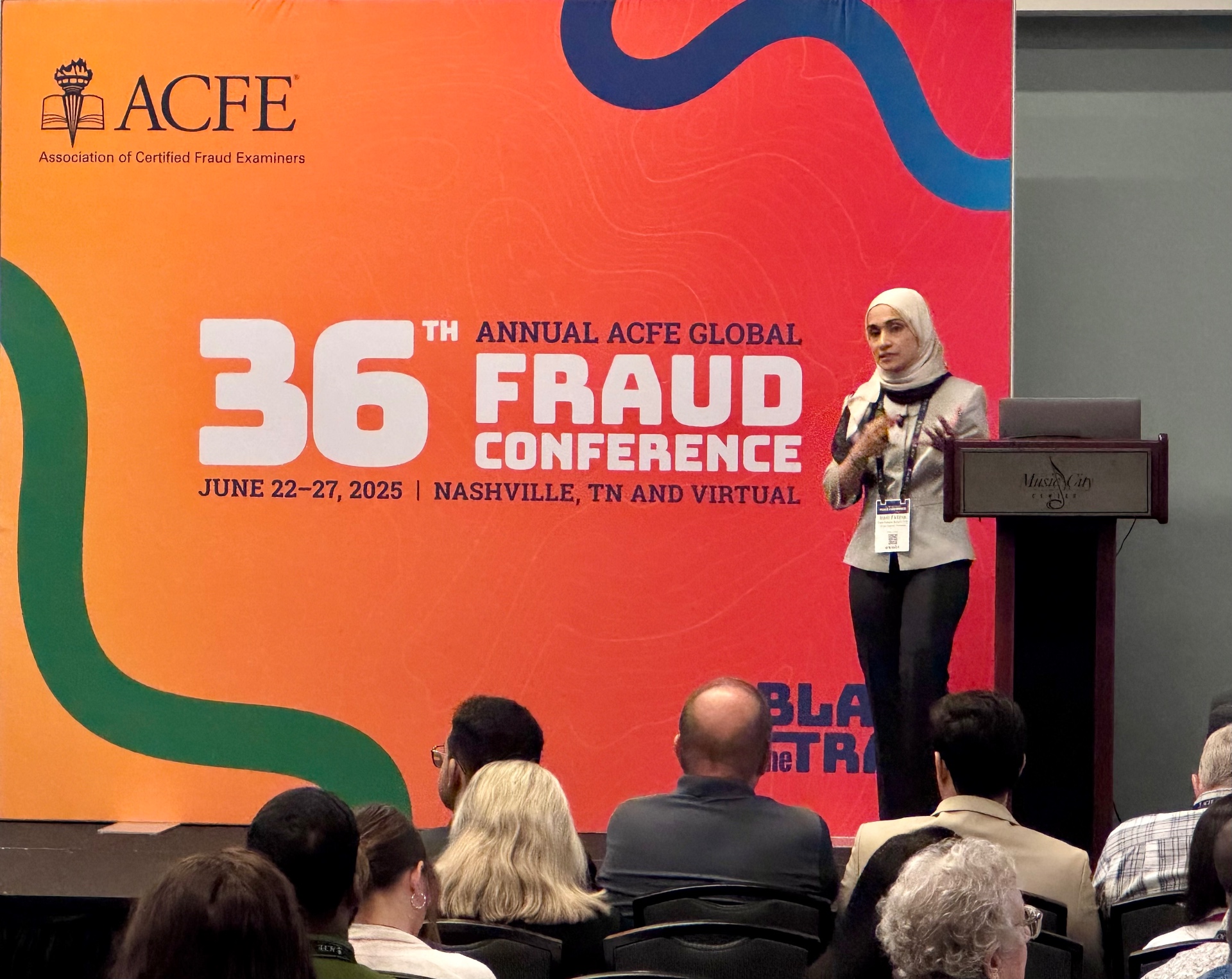
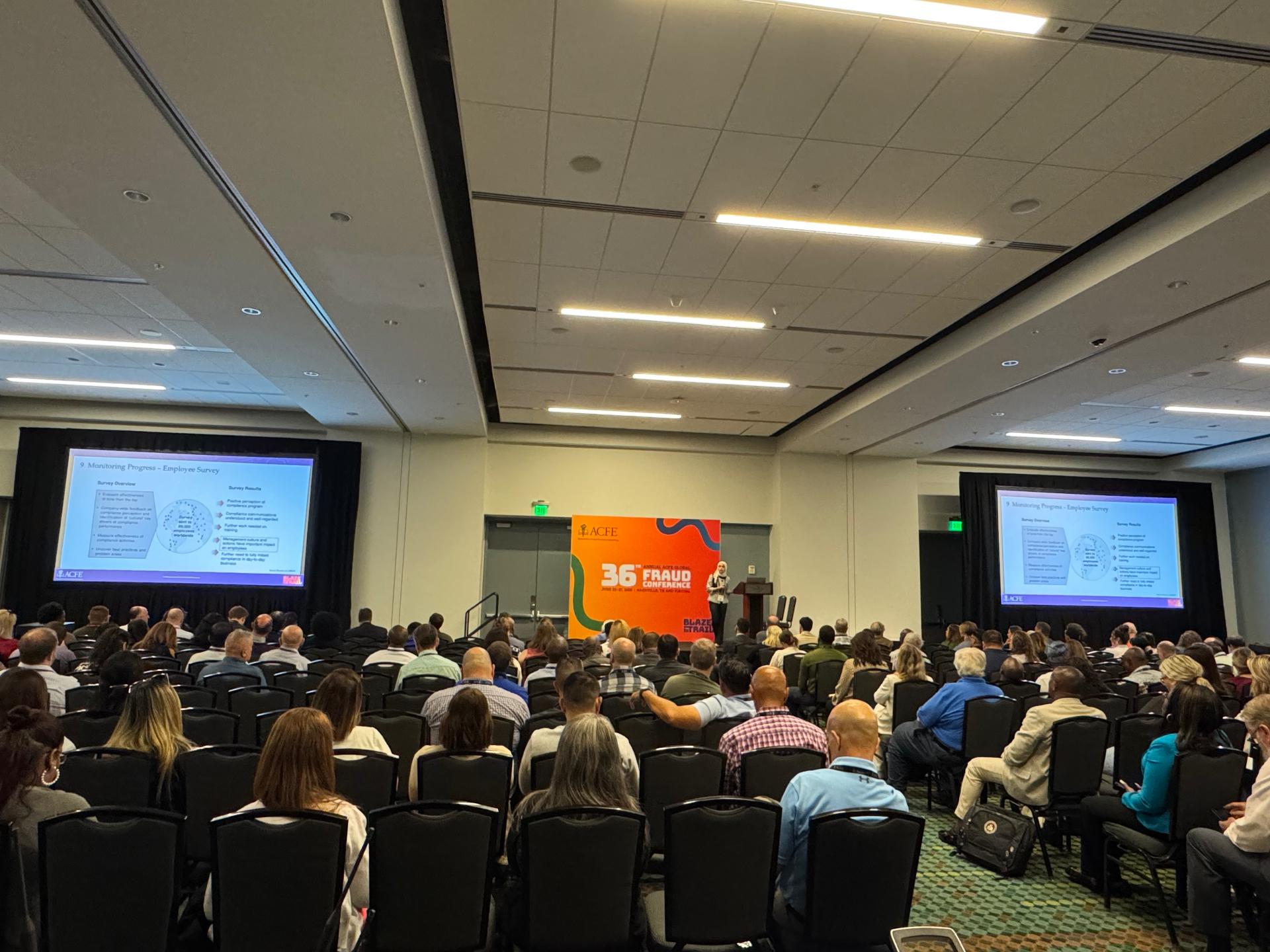
36th Annual ACFE Global Conference36th Annual ACFE Global Conference 236th Annual ACFE Global Conference 3
Read more →
About the session

In an era where fraud threats are increasingly sophisticated, cultivating an anti-fraud culture within your organization is paramount. This session delves beyond mere awareness, emphasizing transformative strategies that instigate real behavioral change among employees. Through insightful case studies and interactive exercises, you will learn practical techniques to instill vigilance and integrity, which are crucial for safeguarding organizations.

You will also discover how to align organizational behavior with anti-fraud objectives, ultimately fostering a resilient culture of vigilance and accountability. Equip yourself with the tools needed to empower your workforce, bridging the gap between knowledge and action in combating fraud effectively.

Key learning objectives
  • Develop practical strategies to drive behavioral change and foster a proactive anti-fraud culture.
  • Identify techniques to instill vigilance and integrity in employees and safeguard organizations against sophisticated fraud threats.
  • Align organizational behaviors and practices with anti-fraud objectives to foster accountability and improve fraud prevention strategies.
2024 · Invited Speaker

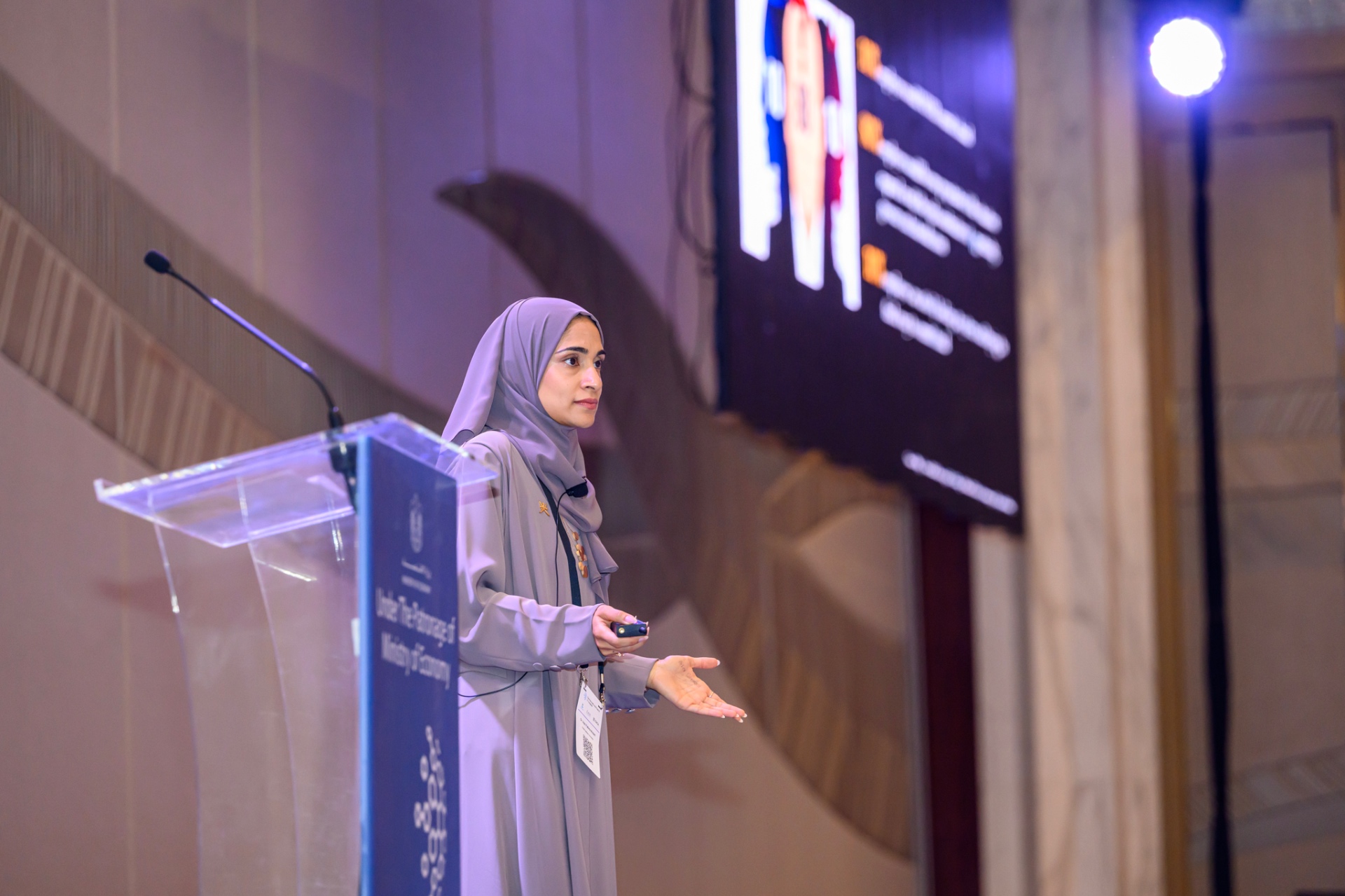
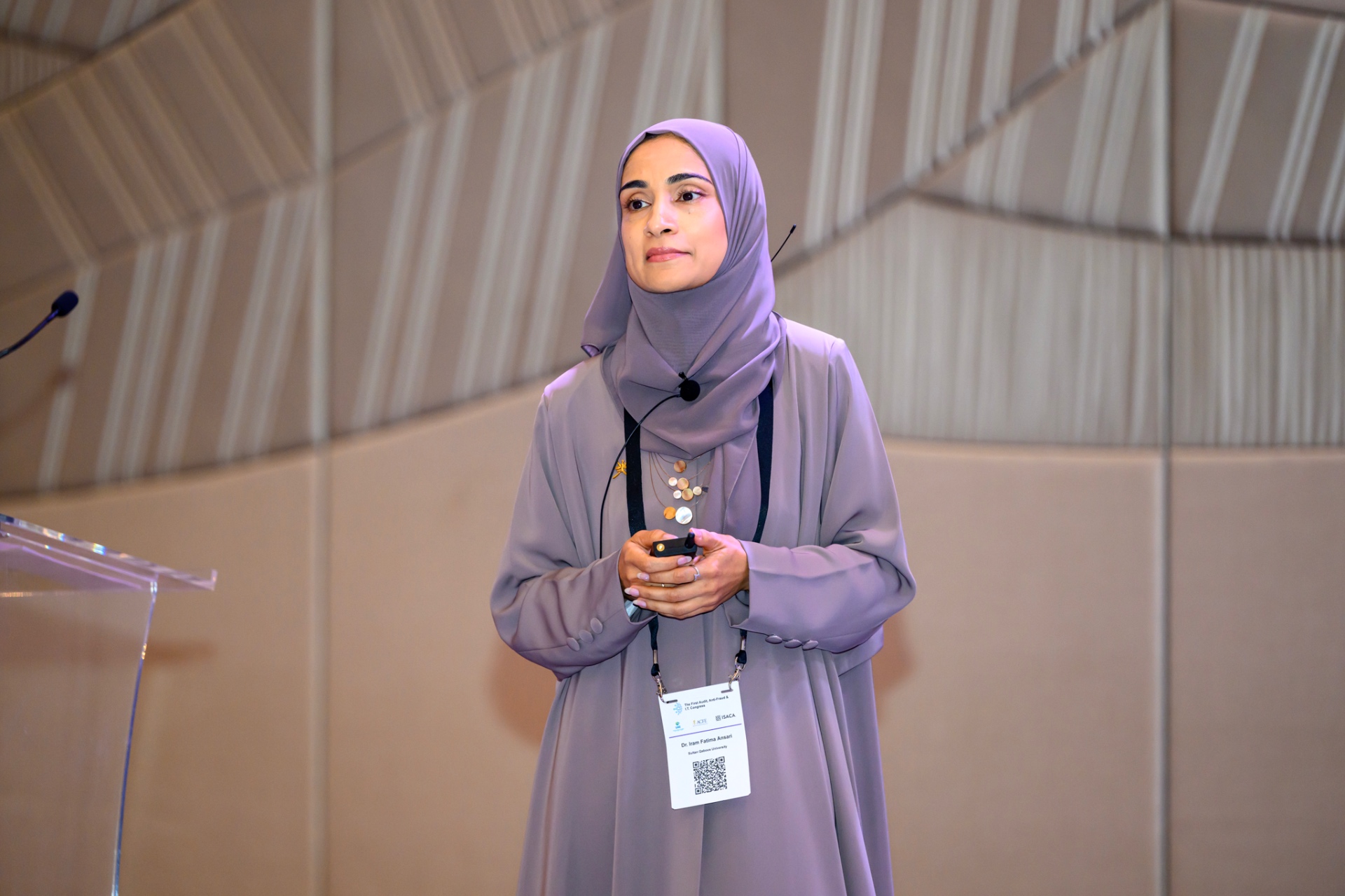
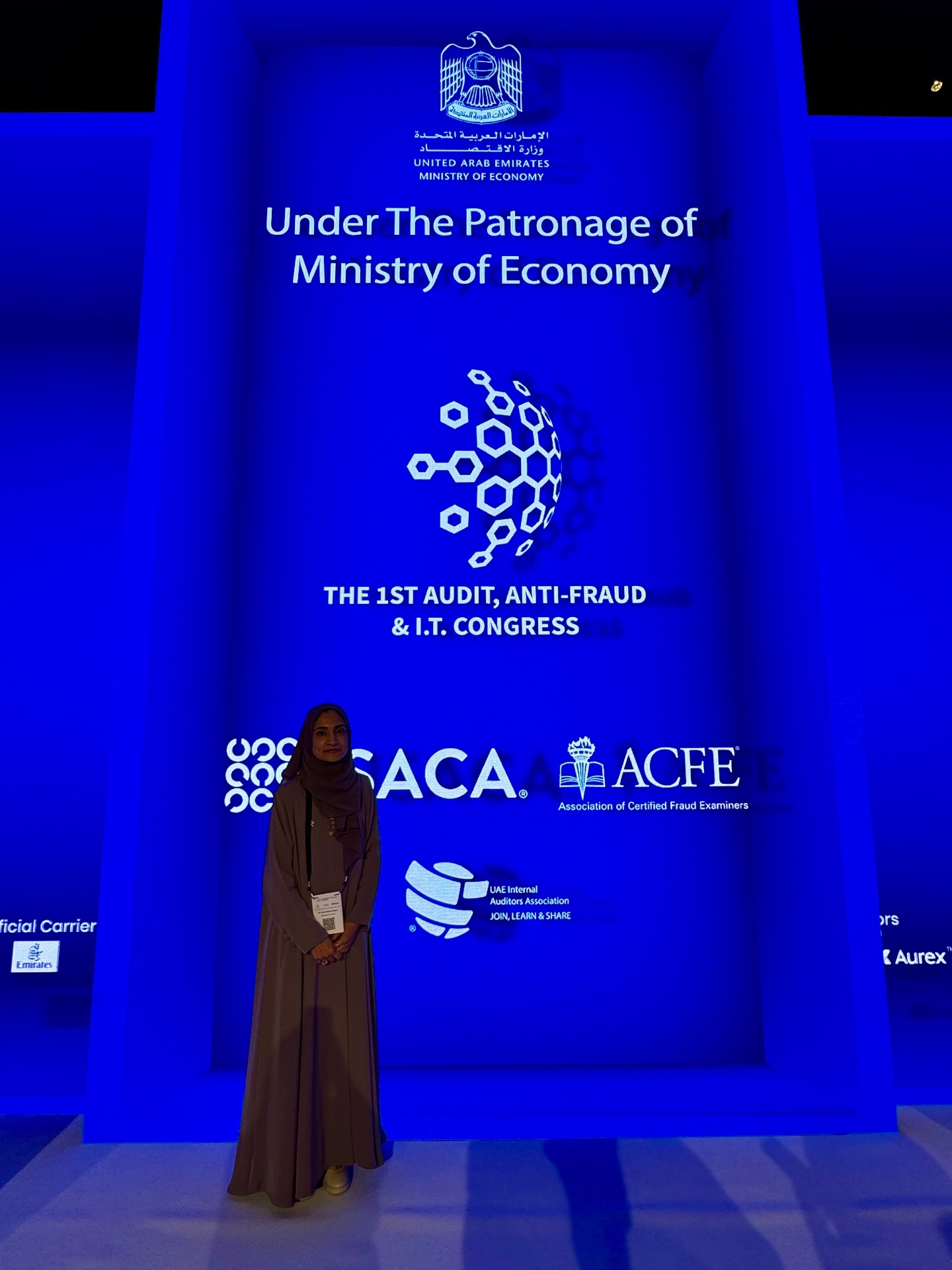
The 1st Audit, Anti-Fraud & I.T. Congress

PresentationCultivating a Robust Anti-Fraud Culture: Moving Beyond Awareness to Tangible Behavioral Change

Date
9 – 11 November 2024
Location
Dubai, UAE
Organizer
IAA UAE, Association of Certified Fraud Examiners (ACFE) and ISACA
Audience
Fraud examiners · Board directors · Internal auditors · Forensic accountants · Governance officers · Accounting & audit educators
The 1st Audit, Anti-Fraud & I.T. CongressThe 1st Audit, Anti-Fraud & I.T. Congress 2The 1st Audit, Anti-Fraud & I.T. Congress 3
Read more →
About the session

Most anti-fraud training tells people what fraud is. Very little of it changes what they do.

That gap — between awareness and behaviour — is where fraud quietly survives.

In this 90-minute interactive session, we'll move past knowledge to tangible behavioural change: how to build an anti-fraud culture where employees aren't passive policy-followers, but active fraud-detectors. We'll cover the practical strategies that turn vigilance into a habit — spotting red flags, encouraging ethical conduct, and making it safe and simple to report.

Awareness protects no one on its own. A culture that acts on it protects everyone.

Key learning objectives
  • Evaluate the gap between fraud awareness and fraud-related behaviour within an organisation, and apply practical strategies to translate employee knowledge into active detection and reporting.
  • Design culture-based anti-fraud interventions that embed everyday vigilance, ethical conduct, and safe reporting, in order to strengthen organisational resilience beyond formal controls.
2024 · Invited Speaker

ACFE Fraud Conference Middle-East

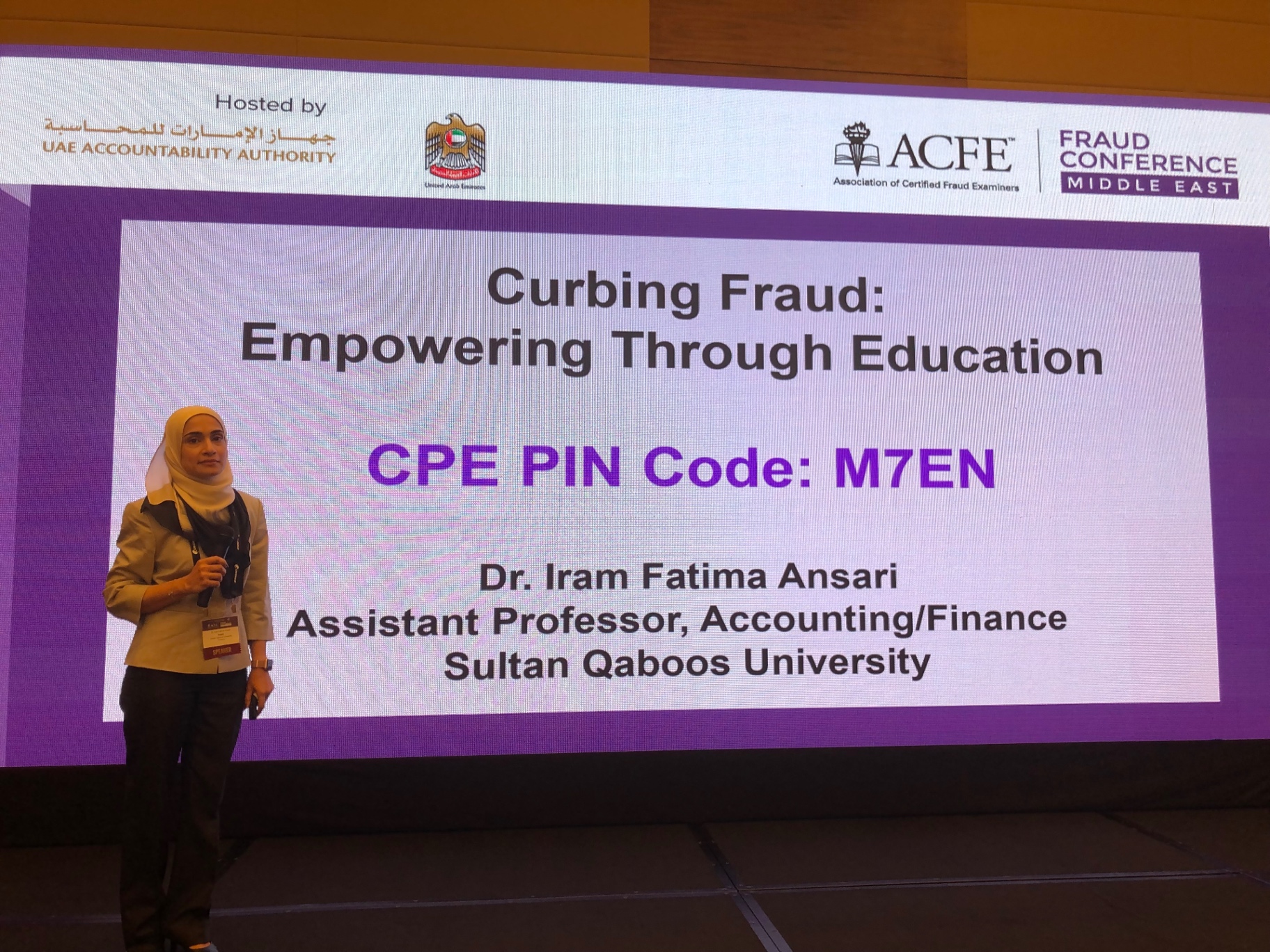
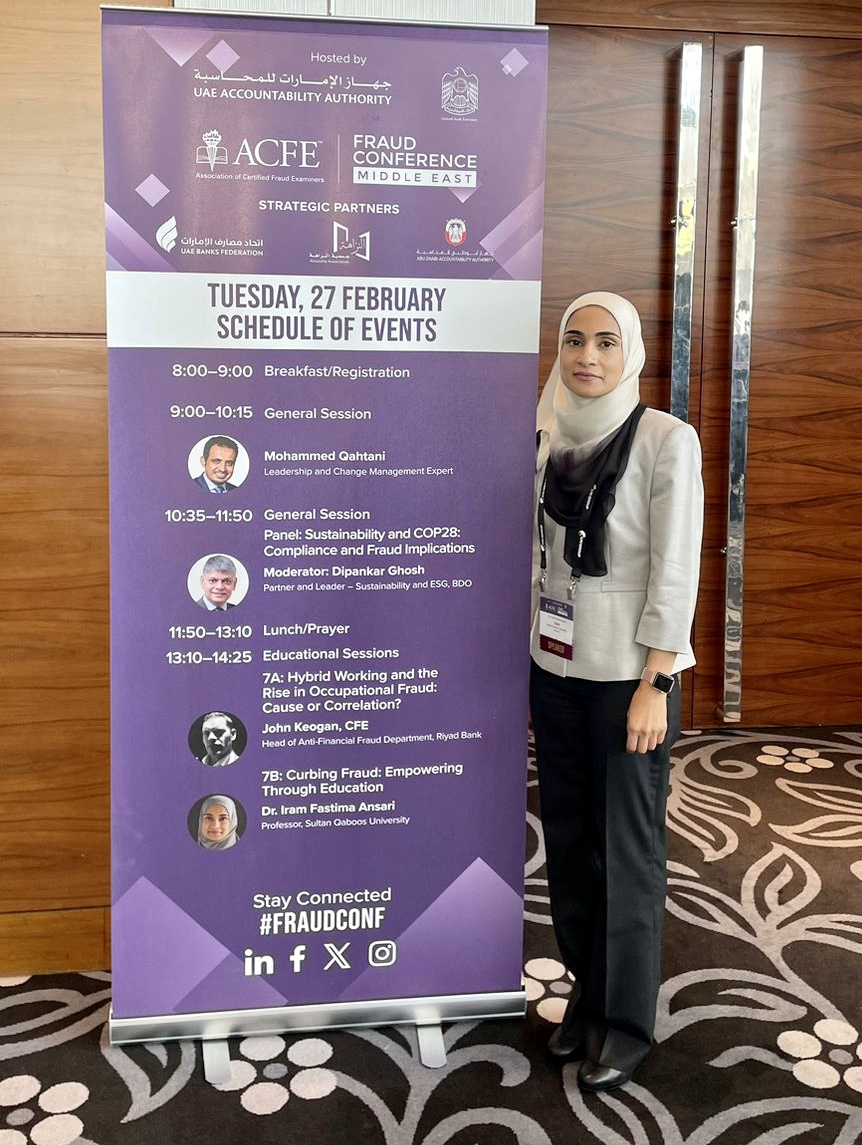
PresentationCurbing Fraud: Empowering Through Education

Date
26 – 27 February 2024
Location
Abu Dhabi, UAE
Organizer
Association of Certified Fraud Examiners (ACFE)
Audience
Fraud examiners · Board directors · Internal auditors · Forensic accountants · Governance officers · Accounting & audit educators
ACFE Fraud Conference Middle-EastACFE Fraud Conference Middle-East 2ACFE Fraud Conference Middle-East 3
Read more →
About the session

Fraud doesn't just drain balance sheets. It erodes the trust that holds institutions together.

This session starts with what fraud really is — then goes where the Fraud Triangle stops. We'll dig into the psychological and socioeconomic roots of fraudulent behaviour, map the continuum of fraudsters, their targets and the whistleblowers caught in between, and trace fraud's real cost: not just money, but reputation, integrity and trust.

Using current data from the Arab world, we'll see how a global problem takes on a regional face. And we'll make the case that organisations are better served preventing fraud than chasing it — through awareness, training, and genuine academia-industry collaboration.

The future of fraud defence comes down to three things: trust, tempo, and talent. Building it takes three more: convergence, consolidation, and community.

Key learning objectives
  • Analyse the psychological and socioeconomic roots of fraud as well as the range of fraudster personas and their motivations.
  • Prioritise and implement effective fraud prevention strategies.
  • Identify initiatives and innovative solutions that address cybersecurity and future fraud challenges.

Engagement

Available for collaboration.

Open to thoughtful collaboration with universities, professional bodies, and organisations committed to strong governance and ethical practice.

Professional training & CPE workshops
Conference & keynote speaking
Corporate governance / internal-audit advisory
Curriculum & accreditation consulting
MSc / PhD thesis supervision & examination
Journal editorial work

Contact

Let's connect.

For collaboration, supervision, advisory or speaking — you are warmly invited to be in touch.

iram@squ.edu.om